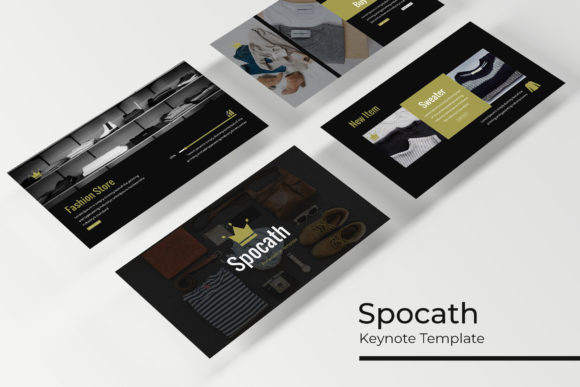
Spocath Power Point Template: A Strategic Tool for Purposeful Presentations
Every presentation you deliver is an argument for something—an idea, a product, a direction, a decision. The visual structure you choose either clarifies that argument or muddles it. The Spocath Power Point Template is not simply a set of decorative slides; it is a deliberate framework designed to support clarity, consistency, and intentional communication across a wide range of professional contexts. When used thoughtfully, it can help you move from scattered slides to a coherent narrative that serves your goals rather than distracting from them.
This article explores what Spocath offers, why its structure matters for strategic communication, and how to use it with purpose. Whether you are pitching to investors, training a team, or building a portfolio, understanding the template’s architecture will help you make better decisions about your presentation design from the start.
Understanding the Spocath Power Point Template and Its Structure
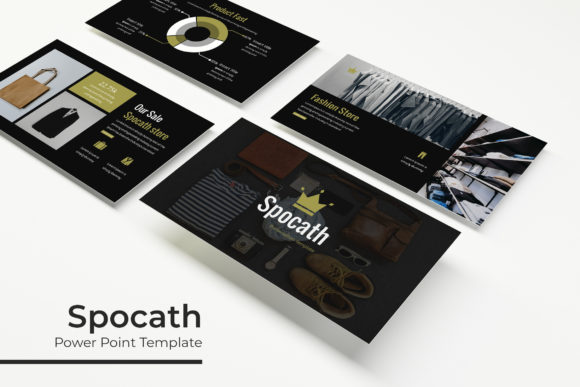
Spocath is a comprehensive presentation package built around variety and flexibility. It includes 150 total slides organized into 5 premade color templates, each containing 30 slides. This means you are not locked into a single look. You can choose the color variation that best matches your brand identity, audience expectations, or the emotional tone of your message. The five distinct color schemes allow you to differentiate between projects, clients, or presentation contexts without starting from scratch each time.
Beyond color, the template emphasizes handcrafted infographics, section breaks, and dedicated gallery and portfolio slides. These elements are not arbitrary. They serve specific functions: infographics help you simplify complex data, section breaks give your audience cognitive breathing room, and portfolio slides provide a structured way to showcase work. The template also includes pixel-perfect illustrations that scale cleanly, and picture placeholders that allow you to drag and drop images without distorting your layout.
All slides are built on master slides, which means that changes made to the master layout propagate consistently across every slide that uses it. This is a critical feature for anyone who values time efficiency and visual coherence. Instead of adjusting each slide individually, you update once and the template does the rest.
Why Thoughtful Presentation Design Supports Better Outcomes
How you present information directly influences how it is received. A disorganized, visually inconsistent deck can undermine even the strongest content. Conversely, a well-structured template allows your ideas to lead. When you use Spocath intentionally, you reduce the cognitive load on your audience. They spend less energy decoding your layout and more energy engaging with your message.
For entrepreneurs and small business owners, this translates into more effective pitch decks, investor updates, and client proposals. For educators and trainers, it means clearer lesson flows and more memorable learning experiences. For marketers and creators, it provides a professional backdrop for campaign presentations, creative portfolios, and brand overviews. The strategic value lies not in the slides themselves, but in the clarity they enable.
Aligning Visual Design with Communication Goals
Before you open the template, clarify what you want your audience to think, feel, or do after your presentation. Are you persuading them to invest? Teaching them a process? Inspiring them to take action? Each goal may call for a different emphasis. The Spocath template supports this because its 30-slide structure gives you room to develop a narrative arc. You can use section breaks to segment your story into logical chapters, infographics to reinforce key data points, and portfolio slides to provide tangible evidence of your claims.
If your goal is persuasion, prioritize slides that build credibility and emotional resonance. If your goal is education, focus on clarity, repetition of key concepts, and visual aids that simplify complex ideas. The template does not dictate your strategy, but it gives you the tools to execute it cleanly.
Practical Use Cases for the Spocath Power Point Template
Versatility is one of Spocath’s strengths. Here are several realistic scenarios where it can add strategic value:
- Investor pitch decks: Use the professional color variations and infographic slides to present market data, traction, and financial projections with credibility. The portfolio slide can highlight key milestones or case studies.
- Client proposals: Tailor the color scheme to match the client’s brand. Use section breaks to separate the problem statement, solution overview, timeline, and pricing. The gallery slide allows you to showcase relevant past work.
- Internal training and onboarding: The structured 30-slide layout is ideal for breaking training content into digestible modules. Handcrafted infographics can illustrate processes, and consistent master slides ensure a professional look across departments.
- Creative portfolios: The gallery and portfolio slides are purpose-built for visual work. Photographers, designers, and agencies can use them to present projects in a clean, organized manner without creating custom layouts.
- Brand presentations and thought leadership: Use the template to create presentations for conferences, webinars, or brand events. The five color variations allow you to adapt to different event themes or audience segments.
Planning Your Approach: What to Consider Before You Start
A template is only as effective as the planning behind it. Before you begin dragging images and typing text, take time to map out your narrative. Ask yourself: What is the single core message I want to leave with my audience? How can I support that message across the slides? Which data points deserve an infographic, and which are better communicated with a simple sentence?
Spocath’s 150 slides may feel abundant, but you do not need to use all of them. In fact, using fewer slides with more intention is often more powerful. Select the color variation that fits your context, then build only the slides you need. The remaining slides serve as a library you can draw from for future presentations.
Strategic Observations on the Template’s Key Features
Understanding what each feature enables helps you make better decisions during the design process.
Five premade color templates with 30 slides each: This structure encourages you to think in terms of collections rather than isolated slides. Each color variation can be assigned to a different use case—for example, a blue theme for corporate audiences, a green theme for sustainability topics, and a warm tone for creative pitches. Having 30 slides per theme ensures you have enough building blocks to develop a full narrative without running out of layouts.
Handcrafted infographics: These are not generic charts. They are designed with care, which means they integrate visually with the rest of the template. Use them to highlight comparisons, timelines, processes, or quantitative data. Avoid overloading a single slide with too many infographic elements; one clear visual per slide is usually enough.
Section breaks: These slides act as transitions. They signal to the audience that a new segment is beginning. This is particularly useful for longer presentations where maintaining attention requires clear signposting. Use section breaks to announce a shift in topic, a case study, or a Q&A segment.
Gallery and portfolio slides: These are structured layouts designed to showcase images or project examples. They work well for creative professionals, but also for any presentation that benefits from showing evidence. For instance, a consulting firm could use a portfolio slide to display before-and-after scenarios for a client engagement.
Resizable and editable graphics with picture placeholders: The drag-and-drop functionality saves time, but its real value is consistency. Because the placeholders are pre-sized and positioned, your images will always fit correctly without manual adjustments. This is especially useful when multiple people contribute to a single presentation.
Master slides: This is perhaps the most important feature for anyone who values efficiency. By editing the master slide, you can change fonts, colors, or layout elements across all slides instantly. If your brand guidelines evolve, you can update an entire presentation in minutes rather than hours.
Risks of Using the Template Without Clear Goals
Any tool can be misused. The most common risk with a feature-rich template like Spocath is overloading your presentation with too many slide types, colors, or infographics. When every slide attempts to be visually interesting, the result can be chaotic and confusing. The template offers variety, but using all of it in a single presentation rarely serves your message.
Another risk is relying on the template to compensate for weak content. No layout can rescue a poorly structured argument or vague data. Use the template as a vehicle for your ideas, not as a substitute for them. Start with a clear narrative, then select slides that support that narrative.
Additionally, because the template includes five color variations, there is a temptation to switch colors mid-presentation for variety. This usually undermines coherence. Choose one color scheme per presentation and stick with it. Consistency builds trust and makes your deck feel intentional.
Long-Term Value: Building a Reusable Presentation System
One of the strongest arguments for investing time in Spocath is its reusability. Once you have customised a color variation to your brand, you can reuse it for multiple presentations. Over time, you build a library of slides that you can mix, match, and adapt. This reduces the time spent on design for every future presentation and ensures that your visual identity remains consistent across touchpoints.
For small business owners and freelancers who create presentations regularly, this is a significant operational advantage. Instead of designing from scratch each time, you focus on content while the template handles the structure. The included readme first file and free font download link further lower the barrier to getting started, provided you review them before diving into design.
What Is Included and What Is Not
The package contains 5 PPTX files and 5 PPTX widescreen versions, giving you compatibility with standard and widescreen displays. Each file comes with a premade color scheme. A readme first document explains how to use the template, and a free font download link is included so you can match the typography used in the design. It is worth noting that photographs or pictures used in the preview are not included—they are intended for illustration purposes only. You will need to supply your own images, which is standard practice for professional templates and gives you full control over your visuals.
Practical Advice for Using Spocath Intentionally
To get the most out of this template, treat it as a starting point, not a finish line. Here are a few planning tips drawn from experience:
- Start with your narrative structure before you open the software. Outline your key points, supporting evidence, and desired audience takeaway. Then choose slides that map to that structure.
- Select one color variation and customize it to your brand. Adjust the master slide colors to match your logo, website, or company palette. This makes the deck feel uniquely yours.
- Use infographics sparingly. They are most effective when used for one or two critical data points per presentation. Overusing them dilutes their impact.
- Leverage section breaks to control pacing. A well-placed section break can reset attention and signal a new chapter. Use them deliberately.
- Test your drag-and-drop images before the final presentation. While the placeholders are designed to work seamlessly, preview your deck to ensure all images are positioned and sized as expected.
- Keep a master copy of your customised template. Once you have adjusted the colors, fonts, and master slides to your liking, save it as a separate file. This becomes your personal starting point for future presentations.
Making Better Decisions With Your Presentation Tool
The Spocath Power Point Template offers a thoughtful balance of variety and structure. Its 150 slides across five color variations give you flexibility without sacrificing consistency. When you approach it with clear goals, a defined narrative, and an understanding of what each feature is designed to do, it becomes more than a set of slides—it becomes a reliable system for communicating your ideas effectively.
Whether you are pitching a new business, training a team, or building a portfolio, the template supports your work without demanding unnecessary attention to design details. That frees you to focus on what matters most: the message you want your audience to remember and the action you want them to take.